

Digital banking has spent the last decade making the basics easier: checking balances, moving money, depositing checks, opening accounts. Now, the definition of “the basics” is expanding.
Consumers increasingly manage more of their financial lives digitally, from monitoring credit and managing debt to tracking subscriptions and planning for major financial milestones. But much of that activity happens outside their primary bank or credit union, across a growing collection of specialized apps and services.
This month, we’re looking at three statistics that show why financial health is becoming a bigger part of the digital banking experience, and what consumers increasingly expect from the institutions they bank with.
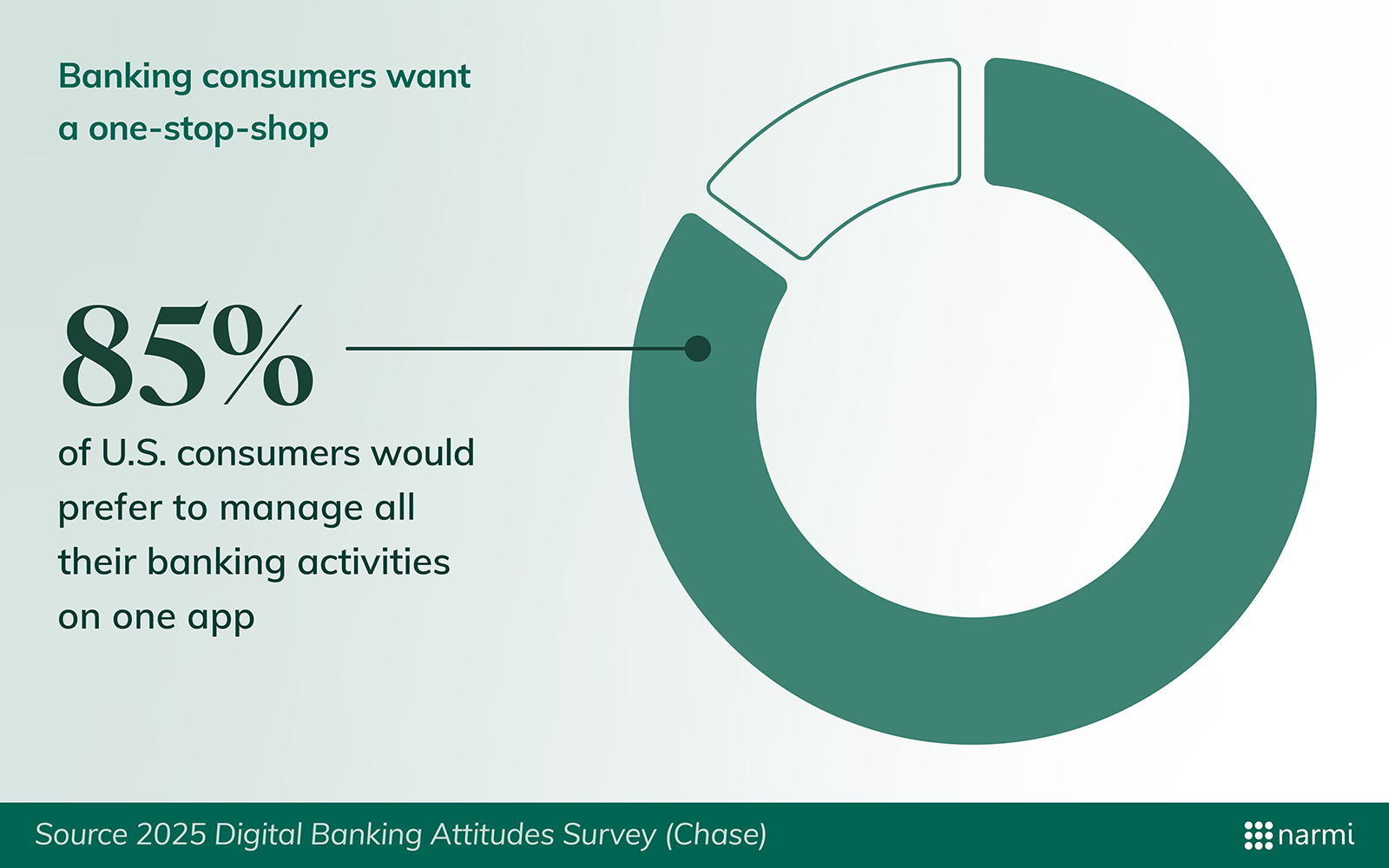
That expectation has implications beyond the traditional functions of a banking app. Consumers don’t think about their financial lives in terms of the systems or vendors behind them. They think about what they need to do: understand their credit, manage recurring expenses, pay down debt, save, borrow, or prepare for a major purchase.
The more of those needs an institution can address within a consistent digital experience, the more useful that experience becomes. Instead of digital banking serving primarily as a way to interact with an account, it can become a place customers turn to manage more of their financial lives.
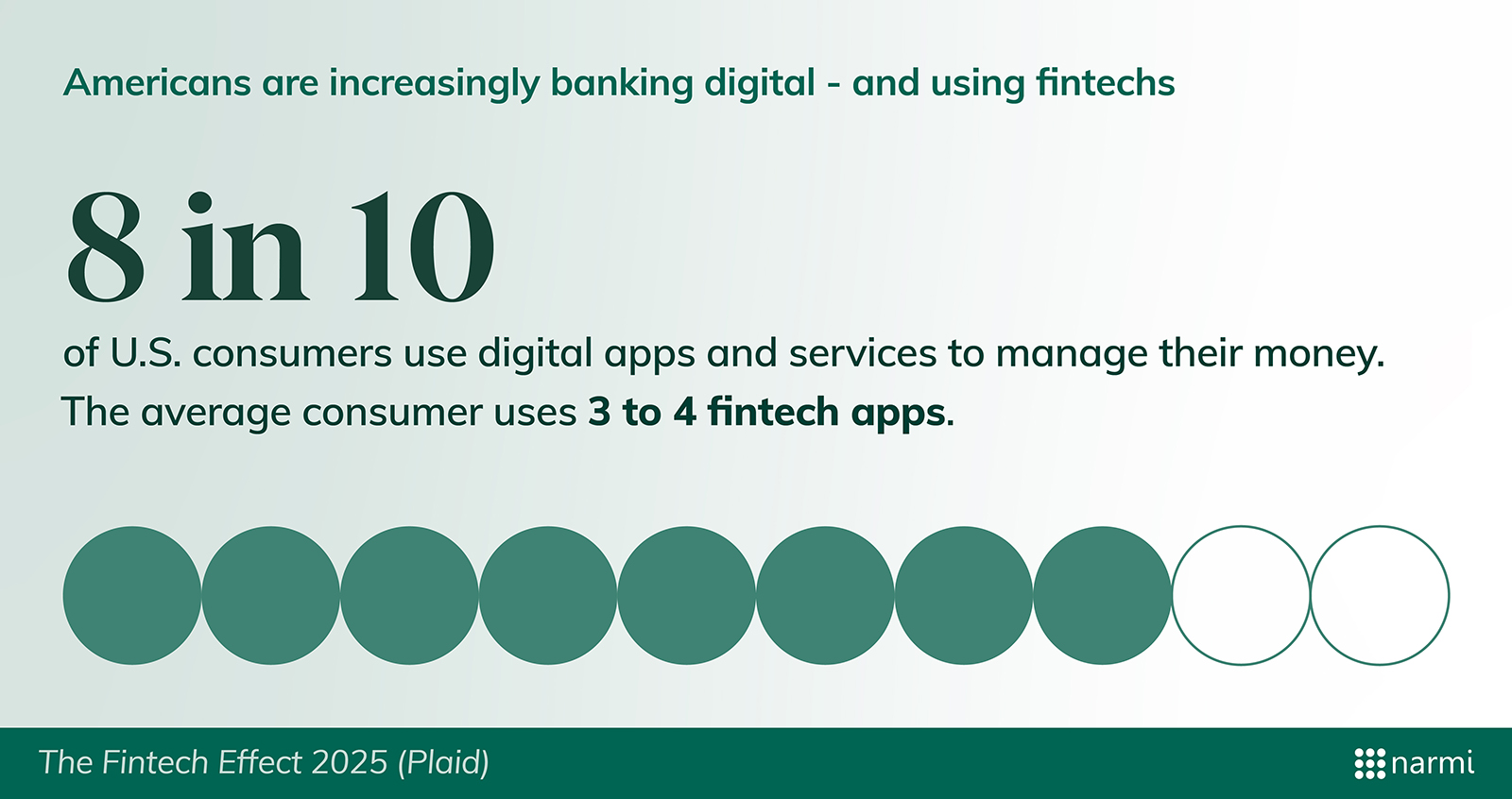
That’s an important distinction for banks and credit unions. If a financial institution doesn’t provide a particular capability, consumers aren’t necessarily going without it. They can turn to specialized tools outside their bank instead.
Over time, that can fragment the financial relationship. One provider may hold the checking account, while other apps become the places a customer goes to understand their credit, manage debt, track spending, or make other financial decisions.
For financial institutions, expanding the range of useful tools inside digital banking is an opportunity to bring more of those interactions back into an experience they own.
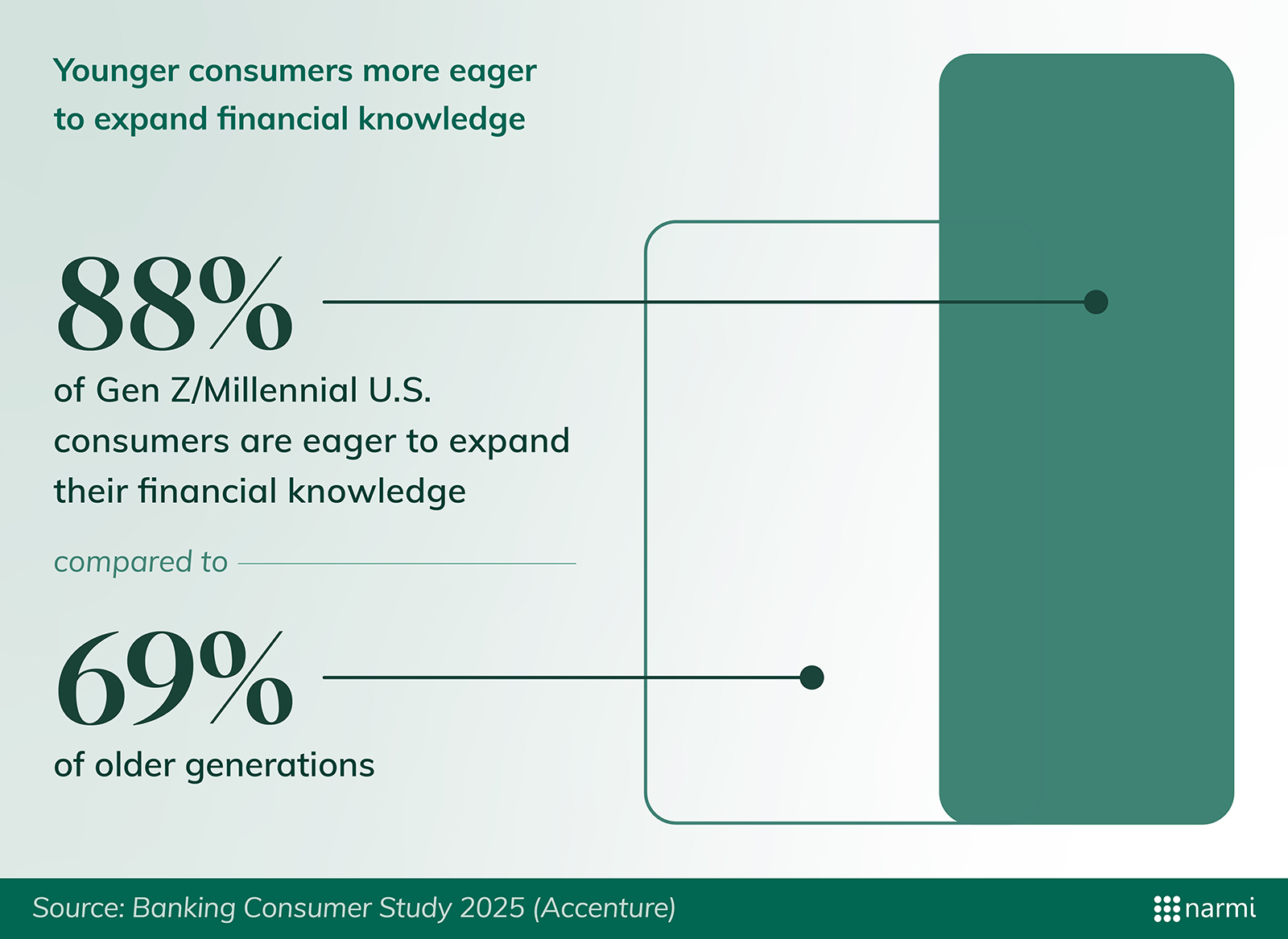
The gap outlined above matters as banks and credit unions think about the next generation of primary relationships. Younger consumers are often navigating an increasingly active set of financial decisions, while also coming to those decisions with expectations shaped by the broader digital products they use every day.
Meeting that expectation doesn’t just mean putting more financial education inside an app. It means giving customers tools that help them understand their situation and take action, from building credit and managing debt to handling subscriptions, student loans, privacy, and homeownership.
That’s part of the thinking behind the Narmi FinHealth Suite, a set of financial health capabilities offered through our integration with Array. Array’s technology is designed to embed these tools directly into digital banking and create a consistent experience under the financial institution’s brand.
For many financial institutions, the goal isn’t simply to add more features. It’s to help communities realize that the trust their local bank or credit union has earned over the years applies to more than just account balances and payments; it applies to elevating their financial lives for decades ahead.